

TL;DR:
- Coordinated event hire involves one provider managing all event infrastructure and logistics under a single contract. This approach reduces supplier conflicts, lowers costs, and ensures smooth execution by owning the build sequence and on-site support. Early engagement, at least one month before the event, is essential for a structured, compliant, and reliable setup.
Coordinated event hire is defined as the practice of contracting a single professional provider to manage all essential event infrastructure, technical equipment, and on-site logistics under one unified service. Rather than piecing together separate suppliers for lighting, power, furniture, and staffing, you hand responsibility to one team who handles everything from initial planning through to site restoration. This approach is the recognised industry standard for weddings, corporate functions, and private parties where operational reliability matters. Understanding what is coordinated event hire gives you a clear advantage when budgeting, briefing venues, and protecting your event from last-minute disruption.
What is coordinated event hire and what does it include?
Coordinated event hire, known in the industry as integrated event infrastructure management, is a structured service built around three core phases: scope and plan, install, and support and demobilisation. Each phase has defined responsibilities, and professional providers maintain compliance with standards such as BS 7909, the British Standard for temporary electrical systems at events. That compliance is not a formality. It means every cable run, generator connection, and lighting rig has been risk-assessed before your guests arrive.
A typical coordinated hire package covers far more than most planners expect. The infrastructure layer alone can include:
- Stage and staging structures sized to the venue and audience capacity
- Lighting rigs covering ambient, functional, and feature lighting
- Sound systems with line arrays, monitors, and mixing positions
- Power supply including generators, distribution boards, and cable management
- Furniture and décor such as tables, chairs, bars, and lounge areas
- Crowd and traffic control including barriers, signage, and ground protection
- Secure fencing and site perimeter management
Beyond equipment, the package includes delivery, installation, testing, and site safety checks carried out by experienced crews. On-site support typically includes 24/7 callout cover, so if a power fault develops at 11PM on your wedding night, a technician responds rather than leaving you to manage it alone.
Pro Tip: Ask every provider to confirm in writing which BS 7909 elements their package covers. Providers who cannot answer this question clearly are unlikely to have the compliance workflows in place.

How does coordinated hire reduce risk, stress, and costs?
The most underestimated benefit of coordinated event hire is not the cost saving. It is the elimination of supplier conflict. When you book five independent vendors, each one optimises for their own schedule, their own access window, and their own priorities. The result is a build day full of competing crews, delayed deliveries, and gaps in responsibility when something goes wrong.
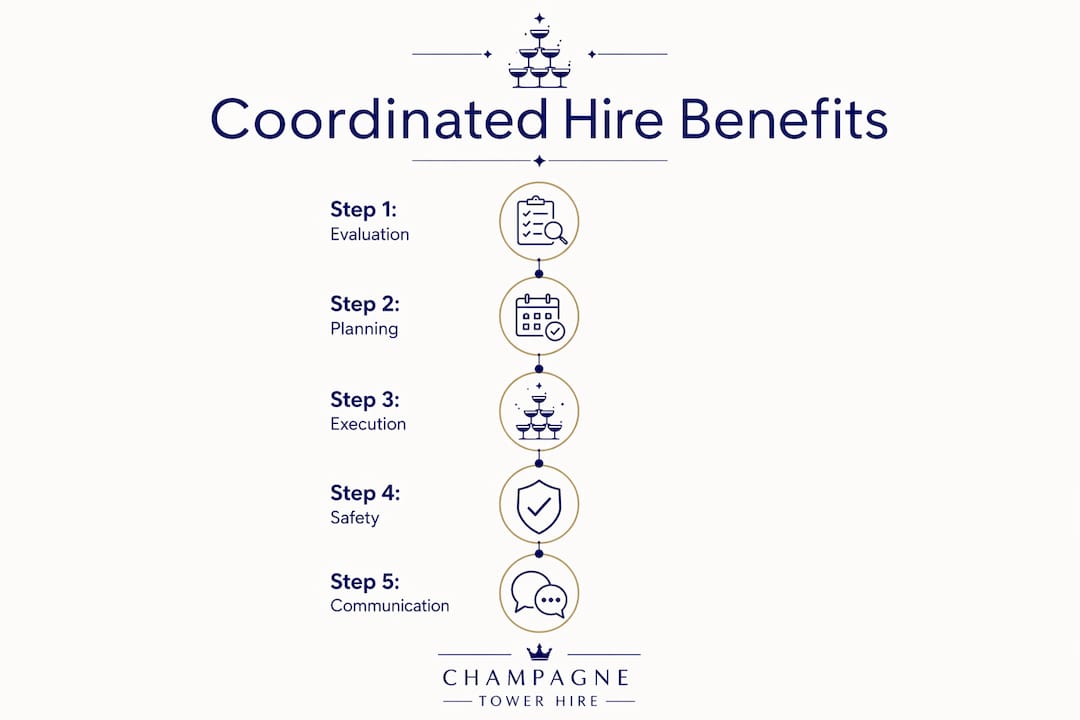
Single-supplier packages remove that friction entirely. One team manages the build sequence, coordinates crew arrivals, and owns every element of the site from load-in to load-out. That ownership matters enormously when a problem surfaces.
The financial case is equally strong. Bundled service packages reduce overall transport costs and eliminate duplicate labour fees that accumulate when multiple suppliers each send their own vehicles and crews. For a mid-scale corporate event, those savings can be substantial.
Opting for coordinated hire reduces risk by avoiding supplier conflicts and timing clashes. A single provider owns the build sequence, the crew schedule, and the site access plan, which means problems get solved rather than passed between parties.
Corporate events gain a particular advantage here. Aligning venue, infrastructure, and operational logistics through one team keeps the event branded consistently and delivered on schedule. A product launch, for example, cannot afford a lighting rig that arrives two hours late because the lighting supplier and the AV supplier booked the same loading bay at the same time.
The practical benefits of coordinated hire include:
- One point of contact for all communication, changes, and problem-solving
- Reduced scheduling conflicts because build windows are managed centrally
- Lower transport costs through consolidated deliveries
- Integrated technical reliability as all equipment is tested together before the event
- Faster issue resolution because no one can deflect blame to another supplier
For planners organising luxury event hire, this single-provider model is the standard expectation, not a premium add-on.
When should you engage coordinated event hire services?
The most common mistake planners make is treating coordinated hire as something to arrange in the final weeks before an event. On-the-day coordination actually begins approximately one month before the event, with a full audit of all plans, supplier logistics, and venue constraints. Engaging a provider late compresses that audit window and increases the risk of unresolved conflicts reaching event day.
A well-structured engagement timeline looks like this:
- Six months or more before the event: Initial site survey, scope agreement, and compliance assessment. The provider reviews venue drawings, access restrictions, and power availability.
- Three to four months before: Equipment specification confirmed, crew schedules drafted, and any specialist items ordered or reserved.
- Four to six weeks before: Final-week audit begins. The coordinator reconciles supplier logistics, confirms delivery windows, and creates the master timeline for the day.
- One to two weeks before: Master schedule distributed to all parties. Venue walkthrough completed. Any outstanding compliance checks resolved.
- Event day: The coordinator oversees set-up, manages supplier arrivals, monitors guest flow, handles timing, and resolves issues quietly before they become visible problems.
The final-week audit is where coordinated hire earns its value most clearly. A good coordinator will identify clashes between the caterer’s delivery schedule and the AV crew’s build window, resolve them before event day, and update the master timeline accordingly. That level of event logistics planning is simply not possible when a provider is engaged with only days to spare.
Pro Tip: Request a copy of the master timeline at least one week before your event. If your provider cannot produce one, that is a signal their coordination process is less structured than it should be.
Experienced providers manage deliveries, crew schedules, and build windows strategically to meet venue constraints. Structured build sequences reduce on-site disruptions and protect the venue’s flooring, access routes, and neighbouring spaces.
What should you look for when choosing a coordinated hire provider?
Selecting the right provider is the single decision that determines whether your event runs smoothly or not. Experience with your specific event type matters far more than a long equipment list. A provider who specialises in outdoor festivals may not have the finesse required for a formal wedding reception, and vice versa.
When assessing providers, focus on these practical considerations:
- Event type experience: Ask for references from events of a similar scale and format to yours.
- Compliance credentials: Confirm they operate to BS 7909 and can provide risk assessments and site drawings as part of the package.
- Scope clarity: Get a written breakdown of exactly what is included, what is excluded, and who is responsible for each element.
- Venue relationships: Providers who have worked at your venue before understand its quirks, access restrictions, and technical limitations.
- Budgeting approach: A comprehensive hire quote may appear higher than itemised quotes from multiple suppliers. Factor in the hidden costs of coordination, transport duplication, and your own time when comparing.
The table below shows how to evaluate a coordinated hire provider against common planning criteria:
| Evaluation area | What to check |
|---|---|
| Compliance and safety | BS 7909 adherence, risk assessments, site drawings included |
| Scope of service | Written list of included and excluded elements |
| On-site support | 24/7 callout confirmed, named site manager assigned |
| Timeline management | Master schedule produced at least one week before the event |
| References | Verified examples from similar event types and scales |
Common pitfalls include assuming the venue’s in-house team will fill gaps left by the hire provider, and failing to clarify who manages supplier arrivals on the day. Both assumptions create confusion at the worst possible moment. For events with a beverage display element, reviewing drink display safety standards alongside your hire brief adds an important layer of due diligence. For planners catering seasonal or festive occasions, pairing your hire brief with a festive meal planning resource helps align catering and infrastructure logistics from the start.
Key takeaways
Coordinated event hire is the most reliable way to manage complex event logistics, because a single provider owning the full scope eliminates supplier conflict, reduces costs, and protects your event from last-minute disruption.
| Point | Details |
|---|---|
| Single-provider model | One team manages all infrastructure, reducing conflict and communication gaps. |
| Compliance is non-negotiable | Providers must operate to BS 7909 with risk assessments and site drawings included. |
| Engage early | Begin coordination at least one month before the event to allow a full logistics audit. |
| Master timeline is critical | A written schedule distributed one week before the event is the mark of a structured provider. |
| Cost comparison | Bundled packages reduce transport and labour duplication versus multiple independent suppliers. |
Why coordinated hire changed how I think about event planning
I have watched planners spend months building what looks like a solid supplier list, only to see it unravel on event day when the lighting crew and the caterers both need the same service entrance at the same time. Nobody planned for it. Nobody owned it. And nobody fixed it quickly because each supplier pointed at the other.
Coordinated event hire solves a problem that most planners do not realise they have until it is too late. The value is not in the equipment. The equipment is available from dozens of sources. The value is in the single point of accountability, the structured build sequence, and the coordinator who is already on-site at 7AM making sure everything happens in the right order.
What I find most underappreciated is how much the early engagement phase matters. Planners often treat the coordinator as an event-day resource. The best providers are doing meaningful work weeks before, reconciling logistics that would otherwise collide. That timeline planning discipline is what separates a smooth event from a stressful one.
My honest advice: engage your coordinated hire provider before you finalise your venue contract. They will spot access issues, power limitations, and compliance gaps that you and the venue may both have missed. That conversation costs nothing and can save you considerably.
— Darren
How Champagnetowerhire supports your event planning
Champagnetowerhire brings the same coordinated approach to luxury beverage displays that professional event infrastructure providers bring to full-scale productions. Every champagne tower hire includes a fully staffed setup, bespoke configuration to your venue and guest count, and on-the-day management so you are never left managing the display yourself. The team covers weddings, corporate functions, and private parties across the UK and internationally, with an instant quote system that makes budgeting straightforward from the first enquiry. Whether you are planning a formal reception or a high-profile product launch, Champagnetowerhire delivers a turnkey service that fits within your wider coordinated hire plan. Explore the full range of luxury event hire options to see how a champagne tower can become the centrepiece of your event.
FAQ
What is coordinated event hire in simple terms?
Coordinated event hire is a service where one provider manages all event infrastructure, from equipment and installation to on-site support and site restoration, under a single contract.
How early should I book coordinated event hire services?
Book at least six months before your event for larger functions. Effective coordination requires a logistics audit starting approximately one month before the event day.
Does coordinated hire cost more than booking suppliers separately?
Not necessarily. Bundled packages reduce transport costs and eliminate duplicate labour fees, making the total cost competitive with or lower than multiple independent hires.
What safety standards apply to coordinated event hire?
Professional providers operate to BS 7909, the British Standard for temporary electrical systems at events, and include risk assessments and site drawings as part of their service workflow.
Can coordinated hire work for smaller events like private parties?
Yes. The coordinated model scales to any event size. Even a private party benefits from a single provider managing delivery, setup, and collection rather than the host coordinating multiple vendors independently.


