

TL;DR:
- An experiential beverage display transforms drink service into an engaging, multi-sensory event feature that boosts revenue.
- Proper planning, theme alignment, and storytelling consistency are essential for successful implementation and memorable guest experiences.
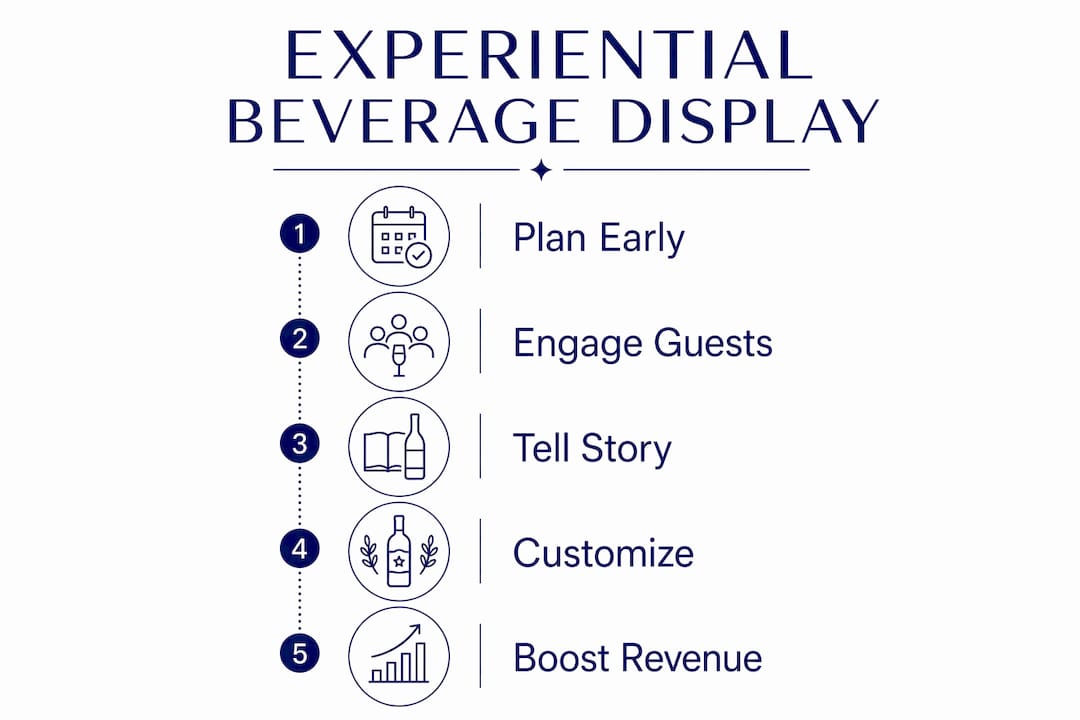
An experiential beverage display is defined as an interactive, multi-sensory installation that transforms drink service into a live, engaging centrepiece of any event. Unlike a standard bar or static drinks table, this format combines bespoke aesthetics, live performance, and guest participation to create a moment guests actively experience rather than passively receive. Venues report 25–40% revenue boosts on nights featuring these activations, and 78% of attendees are more likely to return to venues that offer immersive experiences. For event organisers seeking to make a lasting impression, understanding what separates a true experiential display from a well-dressed drinks station is the first step.
What is an experiential beverage display and what defines it?
An experiential beverage display is a purpose-built installation where the act of serving and receiving a drink becomes part of the event’s entertainment. The industry term for this broader category is “immersive beverage activation,” and the two phrases are used interchangeably by event professionals. What distinguishes it from conventional drink service is intentional design across multiple senses, not just visual presentation.
The core features that define a genuinely experiential display include:
- Sensory engagement. Sight, smell, and touch are all considered. Think floral arrangements woven around a champagne tower, scent diffusers near a cocktail station, or chilled glassware guests handle themselves.
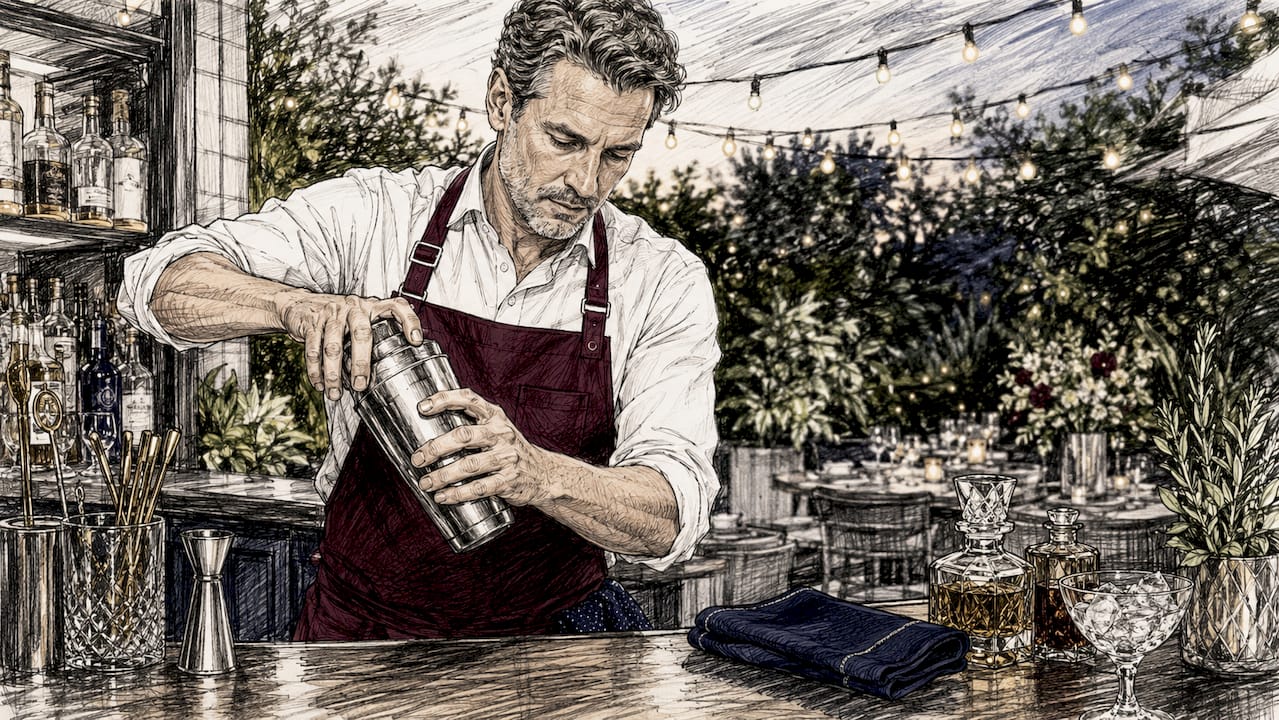
- Live interaction. Staff perform rather than simply pour. A mixologist explaining the provenance of a botanical gin, or a sommelier guiding a tasting, turns service into theatre.
- Bespoke storytelling. The display reflects the event’s narrative. A Great Gatsby wedding calls for coupe glasses and gold accents; a product launch might use brand colours throughout the structure.
- Technology integration. Interactive elements like AI tastings, AR filters, 360° photo booths, and QR codes that unlock virtual content make guests co-creators rather than spectators.
- Participatory stations. DIY craft cocktail bars, build-your-own garnish trays, and live champagne pouring ceremonies all invite guests to contribute to the moment.
True experiential success comes from intentional storytelling aligned with beverage heritage, staff performance, and venue atmosphere. Gimmicks like unusual bar shapes or screens alone do not create immersion. The display must feel coherent from every angle.
Pro Tip: Brief your display team on the event’s theme and guest profile before the day. A staff member who can speak knowledgeably about the champagne being poured adds more perceived value than any piece of décor.
How are experiential beverage displays integrated into event planning?
Planning an immersive beverage activation is a structured process, and skipping steps early creates expensive problems on the day. The sequence below reflects how professional operators approach it.
- Requirement gathering. Define the event format, guest count, service window, and theme before anything else. A corporate dinner for 80 differs enormously from a wedding reception for 250.
- Site feasibility check. Visit the venue before committing to a design. Immersive bars typically need a minimum operational footprint of 6.5m x 3.3m, plus access routes and power supply. Ignoring this is the leading cause of activation failure on event day.
- Bespoke proposal and design. Once the space is confirmed, the display concept is built around it. This includes structure, décor, glassware, and the service narrative.
- Health and safety coordination. A full RAMS (Risk Assessment and Method Statement) document is required for most professional activations. This covers structural stability, electrical safety, and guest flow management.
- Staffing and role assignment. Detailed training, clear role clarity, and sufficient staff numbers are non-negotiable for smooth guest flow. One undertrained team member can disrupt the entire experience.
- Service window planning. Typical event service windows run 3–4 hours. High-footfall brand activations have served up to 10,000 units over three days, which requires extended safety documentation and detailed timelines from the outset.
Pro Tip: Book a site visit at least eight weeks before your event date. Power supply limitations and load-bearing restrictions in older venues are rarely listed in venue brochures, and discovering them late forces costly redesigns.
Organisers who treat the beverage display as a last-minute add-on consistently report the most problems. Those who integrate it into the event brief from day one produce the most polished results. A thorough event beverage display guide covers these planning stages in full for hosts who want a structured reference.
Why do experiential beverage displays matter for event organisers?
The financial and experiential case for immersive drink presentations is clear. Guests at interactive beverage events spend up to 30% more per visit, and venues see measurable increases in guest numbers on activation nights. That is not a marginal gain. It changes the economics of an event entirely.
“Event catering costs have increased by 10.5% since 2023, creating a crisis of value for organisers. Experiential beverage displays are the most direct response: they convert a rising cost centre into a guest-facing asset that justifies the price point and generates genuine excitement.”
UK contract and event catering market report 2026
The benefits extend well beyond revenue. Organisers who invest in immersive drink presentations report:
- Higher guest satisfaction scores. Guests remember what they did, not just what they saw. Participation creates stronger memories than passive observation.
- Increased social sharing. A champagne tower pour or a theatrical cocktail preparation generates photographs. Those photographs extend the event’s reach far beyond the room.
- Stronger brand alignment. For corporate events, a display that reflects brand identity reinforces messaging in a way that a standard bar never could.
- Improved guest flow. A well-designed display draws guests toward a focal point, reducing congestion at the bar and creating natural social clusters.
Event catering trends in 2026 confirm that live, customisable, and social food and drink moments now dominate major UK events. Catering has shifted from a service function to an entertainment function. Organisers who have not yet made that shift are offering guests a noticeably lesser experience. Understanding how guest experience shapes perceived value is central to making the case internally for the investment.
What creative types of beverage displays suit different event themes?
The range of formats available to event organisers is broader than most planners realise. Themed props, interactive elements, and bespoke aesthetics can be adapted to almost any event narrative, from black-tie galas to relaxed garden parties.
The table below outlines the most popular formats and their ideal contexts.
| Display type | Best suited to | Key features |
|---|---|---|
| Champagne tower | Weddings, galas, product launches | Tiered coupe glasses, live pour ceremony, optional floral dressing |
| Interactive cocktail bar | Corporate events, brand activations | Live mixology, branded glassware, AI or QR-linked menus |
| Themed drinks station | Festivals, birthday parties, themed dinners | Prop-heavy décor, colour-matched drinks, DIY garnish options |
| Prosecco fountain | Garden parties, afternoon receptions | Continuous flow display, elegant and accessible, high visual impact |
| Craft tasting station | Wine dinners, corporate hospitality | Guided tastings, provenance storytelling, paired food elements |
Customisation is the defining feature of every format in this list. A champagne tower dressed with white orchids and gold accents reads entirely differently from one styled with seasonal wildflowers and copper hardware. The structure is the same; the story it tells is not.
Inclusivity is a practical consideration that organisers sometimes overlook. A well-designed display offers non-alcoholic options within the same visual framework, so every guest feels included in the moment. Sparkling water served in coupe glasses from the base of a champagne tower achieves this without compromising the aesthetic. For organisers planning beverage displays at weddings, this detail consistently receives positive feedback from guests.
Key takeaways
An experiential beverage display is the single most effective way to convert drink service from a cost into a guest experience that drives satisfaction, spending, and social reach.
| Point | Details |
|---|---|
| Definition is precise | An experiential display is a multi-sensory, interactive installation, not simply a decorated bar. |
| Revenue impact is measurable | Venues report up to 30% higher per-guest spend and 25–40% revenue uplift on activation nights. |
| Planning must start early | Site feasibility, RAMS documentation, and staffing must be confirmed weeks before the event. |
| Theme alignment is non-negotiable | The display must reflect the event’s narrative consistently, from structure to staff briefing. |
| Inclusivity strengthens the concept | Non-alcoholic options within the same visual framework ensure every guest participates fully. |
What I’ve learned from watching displays succeed and fail
Working closely with event organisers across the UK, the pattern that separates a display that guests talk about for months from one that simply looks good in photographs is almost always the same thing: storytelling consistency.
Organisers often invest heavily in the physical structure and then brief the serving staff at the last minute. The result is a beautiful installation staffed by people who cannot answer a single question about the champagne they are pouring. That disconnect breaks the immersion instantly. Guests are perceptive. They notice when the presentation and the people do not match.
The second thing I see underestimated repeatedly is the venue conversation. Organisers assume the venue will accommodate whatever they have planned. In practice, older UK venues frequently have load-bearing restrictions, limited power access, and awkward access routes that make a planned display physically impossible to install as designed. The organisers who avoid this problem are the ones who involve their display provider in the venue walkthrough, not just the venue coordinator.
My honest view on 2026 trends: the shift towards experiential catering is not a passing preference. Catering has moved from service to entertainment, and that shift is structural. Organisers who treat beverage service as a functional necessity rather than a guest experience asset will find it increasingly difficult to meet rising guest expectations. The investment in an immersive display is not a luxury addition. For events that want to be remembered, it is the baseline.
— Darren
Champagnetowerhire: bespoke beverage displays for unforgettable events
Champagnetowerhire specialises in creating award-winning champagne tower displays for weddings, corporate functions, and private celebrations across the UK and internationally. Every installation is fully bespoke, from the tower structure and glassware to optional floral dressing and staffed service. The team handles logistics, health and safety documentation, and on-the-day management, so you can focus entirely on your guests. Whether you are planning an intimate reception or a large-scale gala, Champagnetowerhire delivers a turnkey experiential display that becomes the defining visual moment of your event. Request an instant quote directly on the website to get started.
FAQ
What is an experiential beverage display in simple terms?
An experiential beverage display is an interactive, multi-sensory drink installation designed to make beverage service an engaging, memorable part of an event rather than a background function.
How much space does an immersive beverage display need?
Professional immersive bar setups typically require a minimum operational footprint of 6.5m x 3.3m, plus additional space for access routes, power supply, and guest flow.
Do experiential beverage displays increase event revenue?
Venues consistently report 25–40% revenue uplift on nights with experiential activations, and guests at interactive beverage events spend up to 30% more per visit.
How far in advance should I book a beverage display for my event?
Book at least eight weeks in advance to allow time for site feasibility checks, bespoke design, RAMS documentation, and staff training.
Can experiential beverage displays include non-alcoholic options?
A well-designed display always incorporates non-alcoholic alternatives within the same visual framework, so every guest participates in the experience regardless of their drink preference.


