

TL;DR:
- Edible flowers enhance drinks by adding visual appeal, aroma, and subtle flavors, creating memorable multisensory experiences.
- Safe sourcing, careful preparation, and thoughtful pairing are essential to avoid toxicity and maximize aesthetic and taste benefits.
Floral garnishes for beverages are defined as edible blooms and petals used to enhance the visual appeal, aroma, and flavour of drinks served at events. The role of flowers in drinks presentation goes far beyond decoration. Flowers create a multisensory experience that guests remember long after the last glass is raised. Safe varieties such as nasturtiums, violas, borage, lavender, and roses are the most popular choices for UK events in 2026, each bringing distinct flavour profiles and striking colour. The Food Standards Agency (FSA) requires that all food ingredients, including edible flowers, meet safety and preparation standards to prevent allergic reactions and contamination.
What is the role of flowers in drinks presentation?
Flowers transform ordinary drinks into photogenic, aromatic centrepieces that guests genuinely talk about. Edible flower cocktails have become a leading social media trend, and that visibility translates directly into atmosphere and guest experience at live events. A single viola floating in a glass of prosecco signals care, creativity, and occasion. That signal matters enormously when you are hosting a wedding, corporate dinner, or private party where first impressions count.
Floral garnishes work across every drink format, from champagne flutes and signature cocktails to mocktails and infused waters. The event drinks styling choices you make set the tone for the entire drinks service. Flowers add three distinct layers of value: visual impact through colour and form, aromatic depth through natural perfume, and subtle flavour that complements the base drink. No other garnish delivers all three simultaneously.
Which edible flowers are safest and most popular for UK event drinks?
Safe flower selection is the foundation of any successful floral drinks display. Over 12 common edible garden flowers are safe for consumption in the UK, while dangerous varieties including foxglove, lily of the valley, and daffodil must never appear in or near food and drink. Knowing the difference protects your guests and your reputation.
Popular safe choices and their flavour profiles
| Flower | Flavour profile | Best paired with |
|---|---|---|
| Nasturtium | Peppery, slightly spicy | Gin, vodka, savoury cocktails |
| Borage | Mild cucumber freshness | Gin, sparkling water, Pimm’s |
| Rose petals | Sweet, lightly perfumed | Champagne, rosé, elderflower drinks |
| Lavender | Sweet, floral, lightly spiced | Gin, lemonade, prosecco |
| Viola | Mild, slightly grassy | Any cocktail or mocktail |
| Cornflower | Subtly sweet, clove-like | Gin, vodka, sparkling wine |
| Hibiscus | Tart, citrus undertones | Rum, tequila, sparkling drinks |
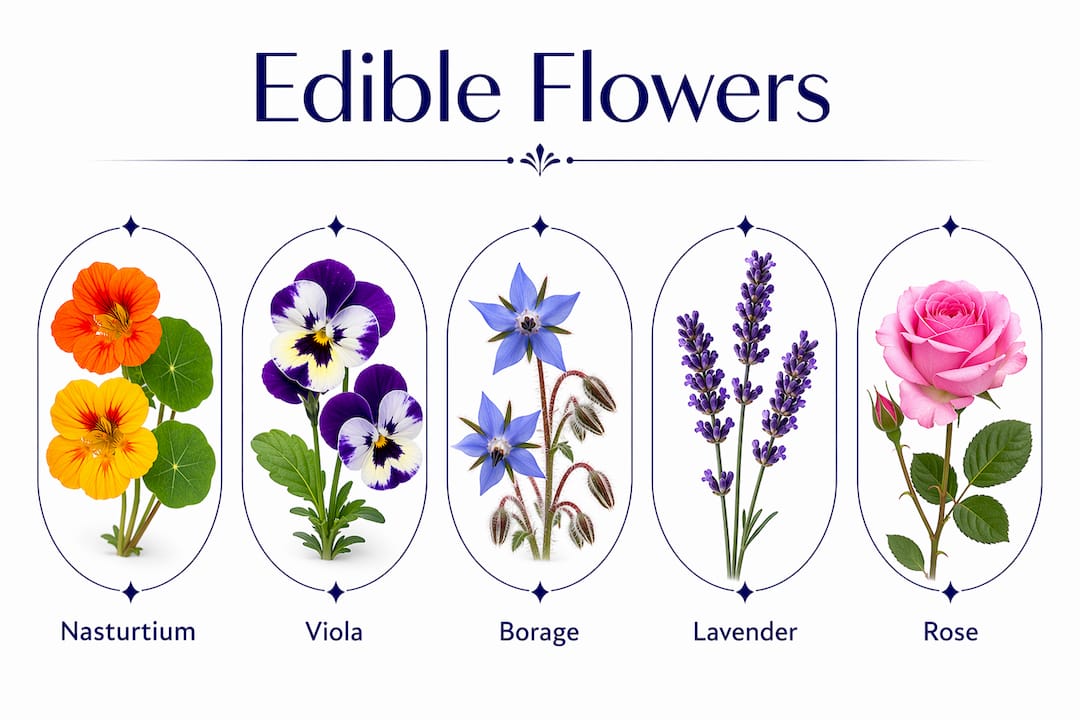
Sourcing is where most event hosts go wrong. Florists and garden centres routinely treat flowers with pesticides that are not safe for consumption. Always source from a specialist culinary supplier, or grow your own without chemical treatments. Flowers labelled “food grade” or “culinary grade” are the only safe choice for event drinks.
Seasonality also shapes your options. Borage and nasturtiums peak in summer, making them ideal for june and july weddings. Roses and lavender are available from late spring through early autumn. Dried edible flowers extend your options year-round and work particularly well in infusions and syrups.
Flowers to avoid entirely:
- Foxglove (digitalis): highly toxic
- Lily of the valley: toxic to humans
- Daffodil and narcissus: toxic if ingested
- Wisteria: toxic
- Hydrangea: toxic
How do flowers enhance the flavour and sensory appeal of drinks?
Flowers contribute three sensory dimensions that no other garnish replicates: aroma, flavour, and texture. Rose petals add perfume and sweetness, lavender brings a sweet spice, nasturtium delivers peppery heat, and hibiscus offers citrus undertones. Each of these profiles interacts differently with the base spirit or wine, which is why thoughtful pairing matters.
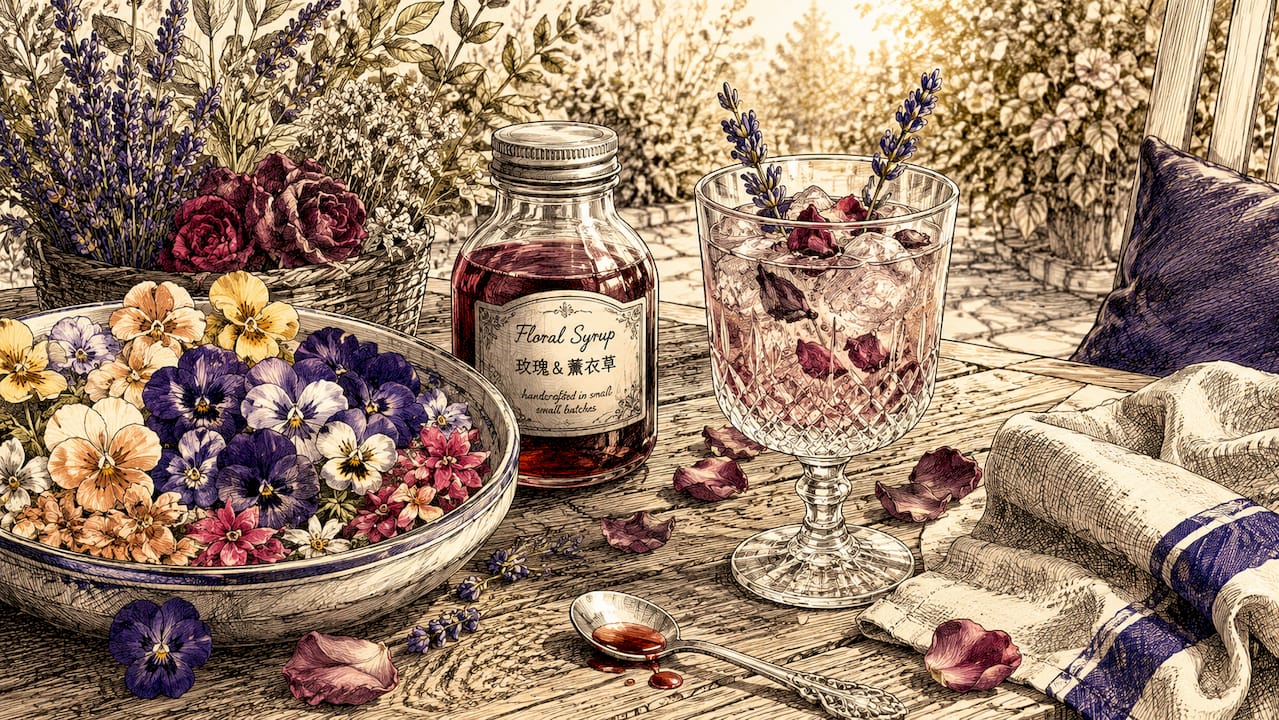
Strong perfumed blossoms like rose should be introduced sparingly to avoid overpowering the drink. A single petal on a champagne flute adds elegance without competing with the wine’s natural character. Two or three petals in a gin cocktail can tip the balance into something cloying. Restraint is the mark of a confident host.
Practical ways flowers enhance drinks:
- Floral infusions: Soak petals in high-proof alcohol or sugar syrup for 24–48 hours to extract concentrated flavour. This works brilliantly with lavender, rose, and hibiscus.
- Frozen flower ice cubes: Freeze a single bloom inside an ice cube for a slow-release visual and aromatic effect as the cube melts.
- Floating petals: Scatter cornflower or viola petals across the surface of a punch bowl or cocktail for instant colour.
- Floral syrups: Use as a sweetener in cocktails and mocktails to carry floral flavour throughout the drink rather than just on the surface.
Pro Tip: When making floral syrups for large events, prepare them three to five days in advance and store refrigerated. The flavour deepens over time and you remove one task from your event-day checklist.
Pairing flowers with specific base drinks amplifies the effect. Borage’s cucumber freshness pairs naturally with gin’s botanical character. Elderflower and champagne is a classic UK pairing that works at weddings because both share a light, honeyed sweetness. Hibiscus in a rum punch adds tartness that balances sweetness and creates a vivid crimson colour guests photograph immediately.
What are the best practices for preparing edible flowers for drinks?
Preparation determines whether your floral garnishes delight or disappoint. The RHS recommends shaking flowers gently to dislodge insects, then rinsing them in cold salted water, and finally drying them carefully on kitchen paper before use. Skipping any of these steps risks insects or debris ending up in a guest’s glass, which is the opposite of the impression you want to create.
Step-by-step preparation process:
- Inspect each flower individually for insects, damaged petals, or discolouration. Discard anything that looks past its best.
- Shake gently over a clean surface to dislodge any insects hiding inside the bloom.
- Rinse in cold salted water for 30 seconds. Salt encourages any remaining insects to leave without damaging delicate petals.
- Pat dry gently on clean kitchen paper. Never rub, as petals bruise easily and bruised petals look tired in a glass.
- Store correctly until service. Fresh flowers keep for up to 24 hours wrapped loosely in damp kitchen paper inside a sealed container in the fridge. Dried edible flowers last up to 12 months when stored in an airtight container away from light and heat.
- Add flowers at the last moment. Place garnishes on drinks immediately before serving to prevent wilting.
The FSA and ACNFP guidance is clear: businesses serving food and drink must take all reasonable steps to prevent allergic reactions and contact dermatitis. For event hosts, this means briefing your service team on which flowers are in use, displaying allergen information at the bar, and asking guests about sensitivities during the RSVP process.
Pro Tip: Create a small allergen card for your bar display listing every flower variety used that evening. It takes ten minutes to produce and shows guests a level of care that distinguishes a professional event from an amateur one.
How can event organisers incorporate flowers into drinks presentations?
The most effective floral drinks displays share one quality: intentionality. Clear glassware, flowers placed just before serving, and colours matched to the drink are the three non-negotiable principles of professional presentation. Everything else is creative expression built on that foundation.
Styling ideas by event type:
- Weddings: Match flower colours to the bridal palette. White roses and cream violas in champagne flutes create a cohesive look from table to glass. Elderflower and champagne pairings feel quintessentially British and photograph beautifully. For a truly showstopping centrepiece, champagne towers with flowers cascading around the base create a moment guests gather around and photograph from every angle.
- Corporate events: Keep garnishes minimal and sophisticated. A single cornflower in a gin and tonic signals quality without feeling fussy. Branded colour schemes work well here. Blue cornflowers for a navy brand, red roses for a bold corporate identity.
- Private parties: This is where you can be more playful. Hibiscus ice cubes in a rum punch, nasturtium petals scattered across a cocktail station, or a lavender syrup bar where guests customise their own drinks all create interactive moments.
Specific applications worth trying:
- Single bloom garnishes on champagne flutes for arrivals drinks
- Petal sprinkles on frothy cocktail tops such as espresso martinis or sours
- Floral ice cubes in pitchers of water or mocktails for non-drinkers
- Dried lavender stirrers placed across the rim of a glass
- A floral wreath around the base of a champagne tower display for weddings and milestone celebrations
The key to avoiding overcrowding is the rule of one. One flower per glass, one floral element per drink station, one dominant colour per display. When everything competes for attention, nothing stands out. For complementary décor inspiration beyond the drinks table, luxury event decoration ideas can help you build a cohesive visual theme across the whole venue.
Flower and drink pairing at a glance:
| Event type | Recommended flower | Recommended drink |
|---|---|---|
| Wedding | Rose, elderflower | Champagne, prosecco |
| Corporate | Cornflower, viola | Gin and tonic, sparkling water |
| Private party | Hibiscus, nasturtium | Rum punch, signature cocktails |
| Summer garden party | Borage, lavender | Pimm’s, elderflower cordial |
Key takeaways
Floral garnishes deliver the most impact when you combine safe sourcing, careful preparation, and deliberate pairing with the right drink and event style.
| Point | Details |
|---|---|
| Safe sourcing is non-negotiable | Only use culinary-grade or homegrown untreated flowers; never use florist or garden centre stock. |
| Preparation prevents problems | Shake, rinse in cold salted water, and dry every flower before use to remove insects and debris. |
| Flavour pairing amplifies impact | Match flower profiles to base drinks: borage with gin, rose with champagne, hibiscus with rum. |
| Restraint creates elegance | One flower per glass and one dominant colour per display prevents visual clutter. |
| Timing is everything | Add floral garnishes immediately before serving to keep petals fresh and vibrant. |
Flowers in drinks: what I’ve learned from real events
After seeing hundreds of event drink displays, the difference between a floral garnish that wows and one that falls flat almost always comes down to sourcing and timing. Hosts who buy flowers from a supermarket or florist the morning of the event often end up with wilted, pesticide-treated petals that look sad by the time guests arrive. The ones who order from a culinary supplier two days out, store correctly, and add garnishes to order? Their displays photograph like magazine shoots.
The other mistake I see constantly is overuse. An event host who discovers edible flowers for the first time tends to put them on everything. Every glass, every jug, every surface. The result looks chaotic rather than curated. One well-placed viola in a champagne flute says more than a handful of mixed petals scattered across a tray.
My honest recommendation is to start with one flower variety per event, master it, and build from there. Borage is forgiving, widely available, and pairs with almost anything. Once you are confident with sourcing, preparation, and placement, you can introduce floral syrups and infusions to add flavour depth. The 7 ways to elevate cocktail hour resource is worth reading before you finalise your drinks programme. Flowers are one of the most powerful tools in an event host’s kit. Use them with intention and they will do more for your event’s atmosphere than almost anything else.
— Darren
How Champagnetowerhire brings floral drink displays to life
Champagnetowerhire specialises in luxury champagne and prosecco tower displays for weddings, corporate events, and private parties across the UK. Floral decoration is one of the most requested additions to a tower hire, and for good reason. Fresh flowers arranged around the base and tiers of a champagne tower create a centrepiece that stops guests in their tracks. Champagnetowerhire’s bespoke service includes fully staffed setups with optional floral additions, so every detail is handled professionally. For event organisers who want to see exactly how flowers and towers work together, the flowers and champagne towers guide covers every option in detail. Get an instant quote at Champagnetowerhire and bring your floral drinks vision to life.
FAQ
What flowers are safe to use in drinks at UK events?
Safe edible flowers for UK event drinks include nasturtiums, violas, borage, lavender, roses, cornflowers, and hibiscus. Always source culinary-grade flowers and avoid foxglove, lily of the valley, and daffodil, which are toxic.
How do I stop edible flowers wilting in drinks?
Add floral garnishes to glasses immediately before serving rather than in advance. Store prepared flowers in damp kitchen paper inside a sealed container in the fridge until the moment of service.
Can I use flowers from a florist or garden centre in drinks?
Florists and garden centres routinely use pesticides that are not safe for consumption. Only use flowers sourced from a specialist culinary supplier or grown at home without chemical treatments.
How long do dried edible flowers last?
Dried edible flowers last up to 12 months when stored in an airtight container away from direct light and heat, making them a practical option for event planners who want to prepare well in advance.
Do I need to declare edible flowers as allergens at events?
FSA guidance requires food and drink businesses to take all reasonable steps to prevent allergic reactions. Display allergen information at your bar and brief your service team on every flower variety in use that evening.


