

TL;DR:
- Floral tower decoration is a vertical, tiered botanical structure that serves as a striking focal point at events. It creates a 360-degree visual impact, drawing guest attention from all angles and transforming ordinary venues into memorable spaces.
Floral tower decoration is defined as a vertical, tiered botanical installation, typically standing 4–6 feet tall, designed to serve as a sculptural focal point at weddings, receptions, and upscale parties. Unlike a standard table centrepiece, a floral tower rises dramatically from the floor, commanding attention from every angle in the room. The industry term for this format is “vertical floral installation,” though “floral tower” has become the widely accepted shorthand among event planners across the UK. These structures blend horticulture with architectural thinking, producing living sculptures that transform ordinary venues into something genuinely memorable.
What is floral tower decoration and why does it matter at events?
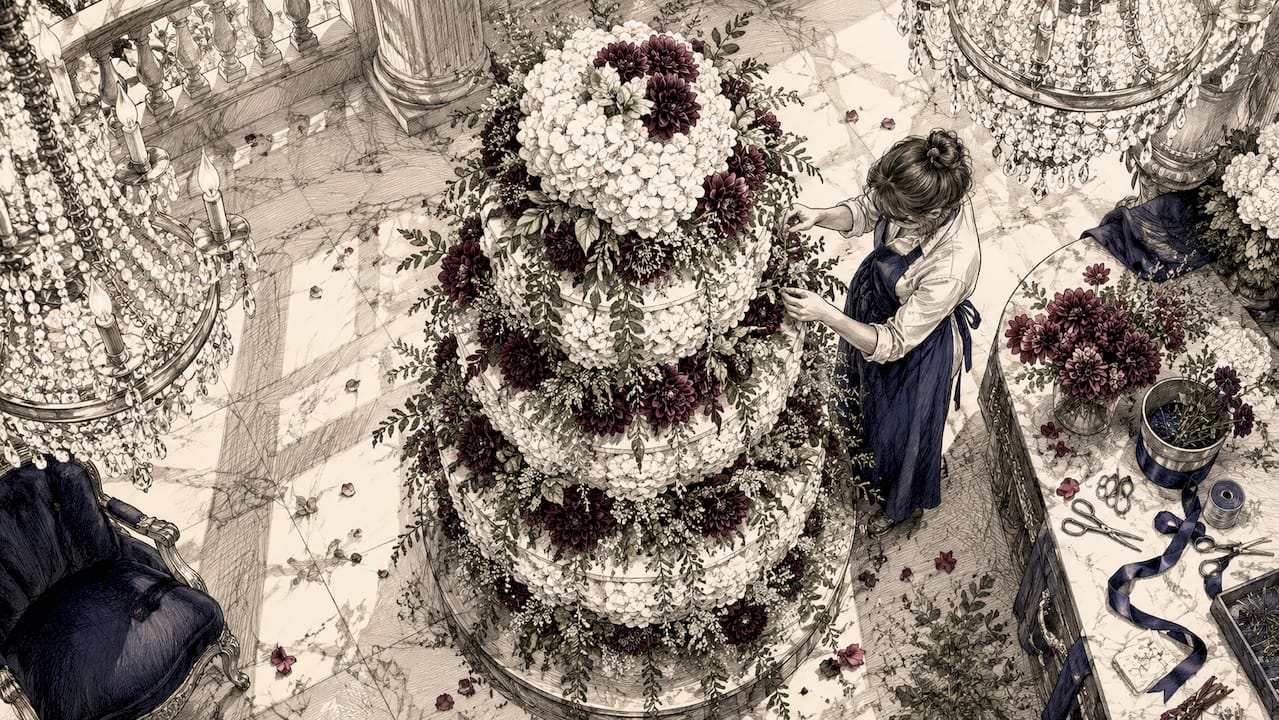
Floral tower decoration is a three-dimensional botanical installation rising vertically on tiered supports to create dramatic focal points at events. The format has moved well beyond stacked pots. Modern floral towers are designed as sculptural totems, framing ceremonies and producing what event professionals describe as a “modern-day Eden” effect in reception spaces.
The scale is part of the appeal. At 4–6 feet tall, a floral tower sits above eye level for seated guests, making it visible across a crowded room without blocking sightlines. Residential or smaller party towers typically use 3–5 tiers and can be assembled within 30 minutes to a few hours, depending on materials and complexity.
The 360-degree visual impact is what separates a floral tower from a flat backdrop or wall installation. Guests circulate around it, photograph it from multiple angles, and interact with it throughout the event. That full-circle appeal is the defining characteristic of the format.
Floral towers also yield 3–5 times more blooms per square foot than traditional flat beds. That density is what gives a tower its lush, abundant look even in a compact footprint.
What are the core design principles of floral tower decoration?
Effective floral tower decor depends on layering, colour coordination, and a clear understanding of how plants grow. Get these three elements right and the tower looks intentional and polished. Get them wrong and it reads as a collection of pots stacked on top of each other.
The most important principle is matching plant growth habit to tier position. Trailing or cascading species belong at the base and mid-sections, where they soften the structure’s edges and create a flowing silhouette. Upright, architectural blooms belong at the apex, drawing the eye upward and reinforcing the tower’s height.
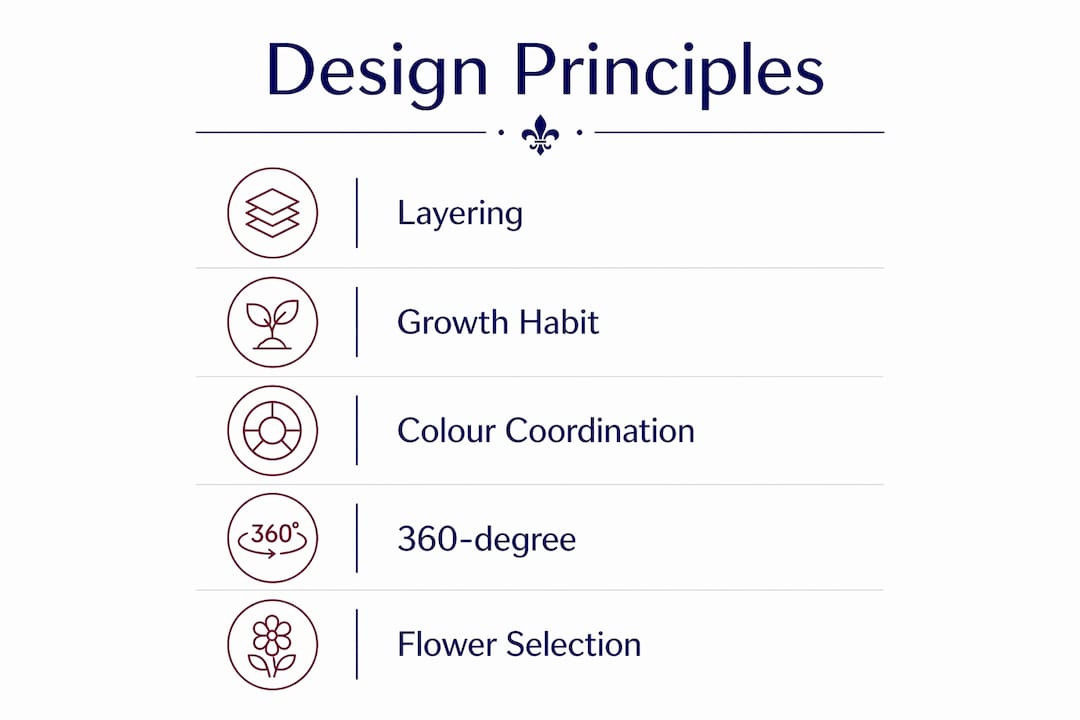
Colour coordination follows the same logic as any floral arrangement, but with one extra consideration: bloom timing. If you are using live flowers, select species that peak at the same time. A tower where half the blooms are spent and half are still budding looks unfinished, regardless of how well the structure is built.
Popular species choices for floral arrangement towers include:
- Petunias and trailing lobelia for cascading softness at lower tiers
- Orchids and anthuriums for upright height and bold colour at the top
- Roses and peonies for classic wedding floral towers with dense, luxurious texture
- Succulents and sedums for outdoor events where drought tolerance matters
- Ivy and trailing ferns for a lush, garden-party aesthetic
Pro Tip: Choose no more than three dominant flower species per tower. More than that and the design loses visual coherence, regardless of how beautiful the individual blooms are.
The 360-degree aesthetic is non-negotiable for open event spaces. Plant every tier with the same density on all sides. Uneven planting creates a “front” and a “back,” which undermines the tower’s impact in a room where guests approach from any direction.
How is the structural integrity of a floral tower ensured?
A floral tower that tips, leans, or collapses mid-event is not just an aesthetic failure. It is a safety risk. Structural integrity starts with the right materials and ends with correct anchoring.
The most reliable frames use food-grade HDPE or powder-coated metal, both of which resist moisture and support the weight of saturated soil and mature plants. A recommended soil depth of 6–8 inches per tier gives roots enough space without adding unnecessary bulk to each level.
Follow these steps to build a structurally sound tower:
- Select the right frame. Use a powder-coated metal or food-grade HDPE structure rated for the total weight of soil, plants, and water at full saturation.
- Anchor the central support deeply. Central supports must be anchored 18–24 inches into the ground for outdoor installations. This depth resists wind force and the added weight of wet soil.
- Use void fillers. Bricks or inverted pots placed inside larger containers reduce the volume of soil needed. This lowers overall weight and makes the tower far easier to transport and reposition.
- Assess plant weight at maturity. Structural failure most often results from choosing plants that are too heavy or too sprawling for the frame. Weigh your plant choices against the frame’s load rating before you commit.
- Test stability before the event. Set the tower up 24 hours in advance and water it fully. A tower that stands firm when the soil is saturated will hold throughout the event.
Pro Tip: For indoor events on polished floors, use a wide, flat base plate under the frame. This distributes weight evenly and prevents the tower from rocking on uneven surfaces.
Common pitfalls include using terracotta pots without reinforcement (they crack under pressure), choosing trailing plants with heavy root balls that shift the centre of gravity, and skipping the anchor step for “temporary” outdoor displays. Wind does not respect event schedules.
Which plants and flowers are best suited for floral tower decoration?
Selecting plants by growth habit and light requirement is the single most important decision in building a successful tower. A beautiful flower in the wrong position will wilt, droop, or overwhelm the structure within hours of installation.
The key principle is simple: match the plant to its tier position and the event’s environment.
- Cascading species such as petunias, trailing ivy, and bacopa soften the tower’s silhouette and work best at mid and lower tiers. They spill naturally over pot edges, hiding structural elements and adding movement.
- Upright species such as orchids, anthuriums, and tall-stemmed roses anchor the top tiers. Their vertical growth reinforces the tower’s height and creates a clear focal point at the apex.
- Drought-tolerant succulents such as echeveria and sedum suit outdoor summer events where watering access is limited. They hold their appearance for hours without attention, which matters enormously during a busy reception.
- Seasonal blooms such as dahlias in late summer or tulips in spring add a sense of occasion and freshness that artificial flowers cannot replicate.
- Foliage fillers such as eucalyptus, ferns, and trailing ivy add texture and depth between statement blooms, preventing the tower from looking sparse between flowering peaks.
For wedding floral towers, white and blush roses combined with trailing gypsophila and eucalyptus remain the most requested combination in the UK. The palette reads as timeless rather than trend-driven, which suits couples who want their photographs to age well.
Bloom density is the measure of success. A tower with sparse planting looks unfinished regardless of how well it is built. Aim for full coverage at each tier before moving to the next level during assembly.
How to create and maintain a floral tower for your event
Building a floral tower for an event requires planning, the right sequence of assembly, and a clear maintenance routine for the hours before and during the occasion.
- Choose your pot sizes deliberately. Use a graduated sequence, with the largest pot at the base and progressively smaller ones above. A common sequence for a 5-tier tower is 40cm, 35cm, 30cm, 25cm, and 20cm diameter pots.
- Fill with void fillers first. Place bricks or inverted smaller pots in the base of each container before adding compost. This reduces weight without compromising root space.
- Plant densely. Use more plants per tier than you think you need. Floral towers look best when they appear to overflow with blooms rather than show bare compost between plants.
- Water thoroughly before the event. Vertical floral displays dry out faster than ground-level plantings because of smaller soil volumes and greater air exposure. Water slowly from the top down, allowing moisture to reach every tier before the event begins.
- Set up at least two hours before guests arrive. This gives plants time to settle after being moved and allows you to spot any wilting or structural issues before the room fills.
Pro Tip: If you are using live flowers for a one-day event, consider placing floral foam soaked in water inside each tier rather than compost. It keeps cut flowers hydrated for 12–24 hours without the weight of soil.
Artificial flowers are a legitimate alternative for planners working with tight budgets or challenging venues. High-quality silk or foam flowers now replicate the texture and colour of fresh blooms convincingly. They require no watering, no soil, and no timing concerns around bloom peaks. The trade-off is that they lack the fragrance and organic movement that live plants bring to a space.
For quick event set-ups, pre-assembled tower sections that clip together save significant time on the day. Several specialist hire companies offer this format, and Champagnetowerhire incorporates floral decoration options directly into their tower hire packages, removing the assembly burden entirely.
Key takeaways
Floral tower decoration succeeds when structural integrity, plant selection, and 360-degree visual design work together as a single system rather than three separate considerations.
| Point | Details |
|---|---|
| Definition and scale | Floral towers are vertical, tiered botanical installations standing 4–6 feet tall, used as sculptural focal points at events. |
| Design principle | Match plant growth habit to tier position: cascading species at the base, upright blooms at the apex. |
| Structural anchoring | Anchor central supports 18–24 inches deep outdoors and use void fillers to reduce weight and improve stability. |
| Watering priority | Water slowly from the top down before the event, as vertical displays dry out faster than ground-level plantings. |
| 360-degree planting | Plant every side of every tier with equal density, as guests approach from all angles in open event spaces. |
Why floral towers changed how I think about event design
I have watched a lot of event trends come and go over the years. Most of them are variations on something that already existed. Floral towers are different, and I think the reason is structural rather than aesthetic.
What strikes me most is how the format forces planners to think about a space in three dimensions. A table centrepiece decorates a surface. A floral tower occupies a volume of space and changes how people move through a room. Guests naturally gravitate towards them, photograph them, and use them as reference points when navigating a venue. That is a fundamentally different kind of impact.
The mistake I see most often is treating the tower as purely decorative and ignoring the engineering. A beautiful arrangement on an under-anchored frame is a liability, not an asset. The planners who get this right are the ones who spend as much time on the structural brief as on the flower selection.
I also think the trend towards integrating floral towers with other statement pieces, such as champagne towers, is genuinely exciting. The combination of a cascading floral tower alongside a champagne tower with flowers creates a visual centrepiece that photographs extraordinarily well and gives guests two reasons to gather in the same spot. That kind of layered impact is what separates a good event from an unforgettable one.
The design direction I expect to see more of is restrained, architectural towers using fewer species with greater intentionality. The maximalist approach has had its moment. The next wave will be about precision and negative space.
— Darren
Champagnetowerhire: luxury tower hire with floral styling
Champagnetowerhire is a premium UK provider of champagne tower hire for weddings, parties, and corporate events. Their bespoke service includes custom-built towers in multiple sizes, fully staffed setups, and optional floral additions that integrate directly with the tower display. For planners who want the visual drama of a floral installation without the assembly complexity, Champagnetowerhire handles every detail from delivery to breakdown. Their coverage spans the UK and extends internationally, making them a practical choice for destination events. If you are planning a wedding or upscale party and want a statement display that combines flowers with a spectacular beverage centrepiece, their elegant wedding displays guide is an excellent starting point.
FAQ
What is floral tower decoration used for at events?
Floral tower decoration is used as a sculptural focal point at weddings, receptions, and parties. It creates a vertical, 360-degree visual display that draws guests’ attention and enhances the atmosphere of the venue.
How tall should a floral tower be for a wedding?
Wedding floral towers typically stand 4–6 feet tall. This height keeps the display visible above seated guests without blocking sightlines across the room.
What plants work best in a DIY floral tower?
Trailing species such as petunias and ivy work well at lower tiers, while upright blooms such as orchids and roses suit the top. Succulents are the best choice for outdoor events where watering access is limited.
How do you stop a floral tower from falling over?
Anchor the central support 18–24 inches into the ground for outdoor towers and use void fillers such as bricks inside pots to reduce overall weight. Test stability after a full watering before the event begins.
Can artificial flowers be used in a floral tower?
Artificial flowers are a practical alternative for one-day events or venues with no watering access. High-quality silk or foam blooms replicate the appearance of fresh flowers without the maintenance demands of live plants.


