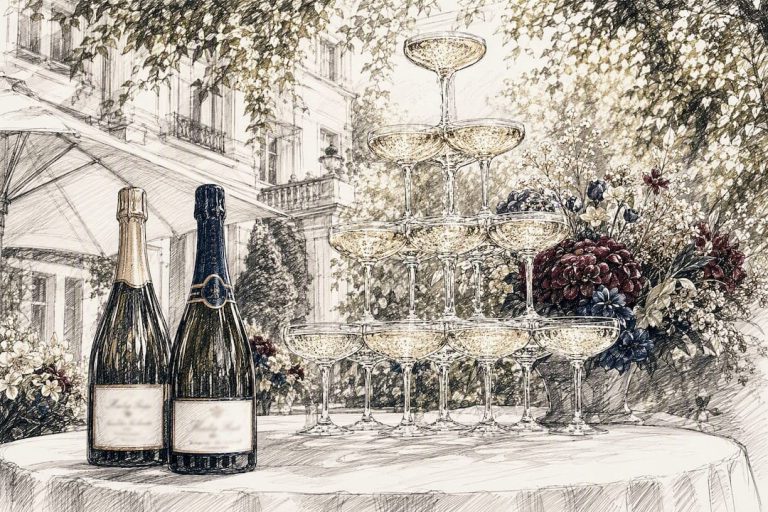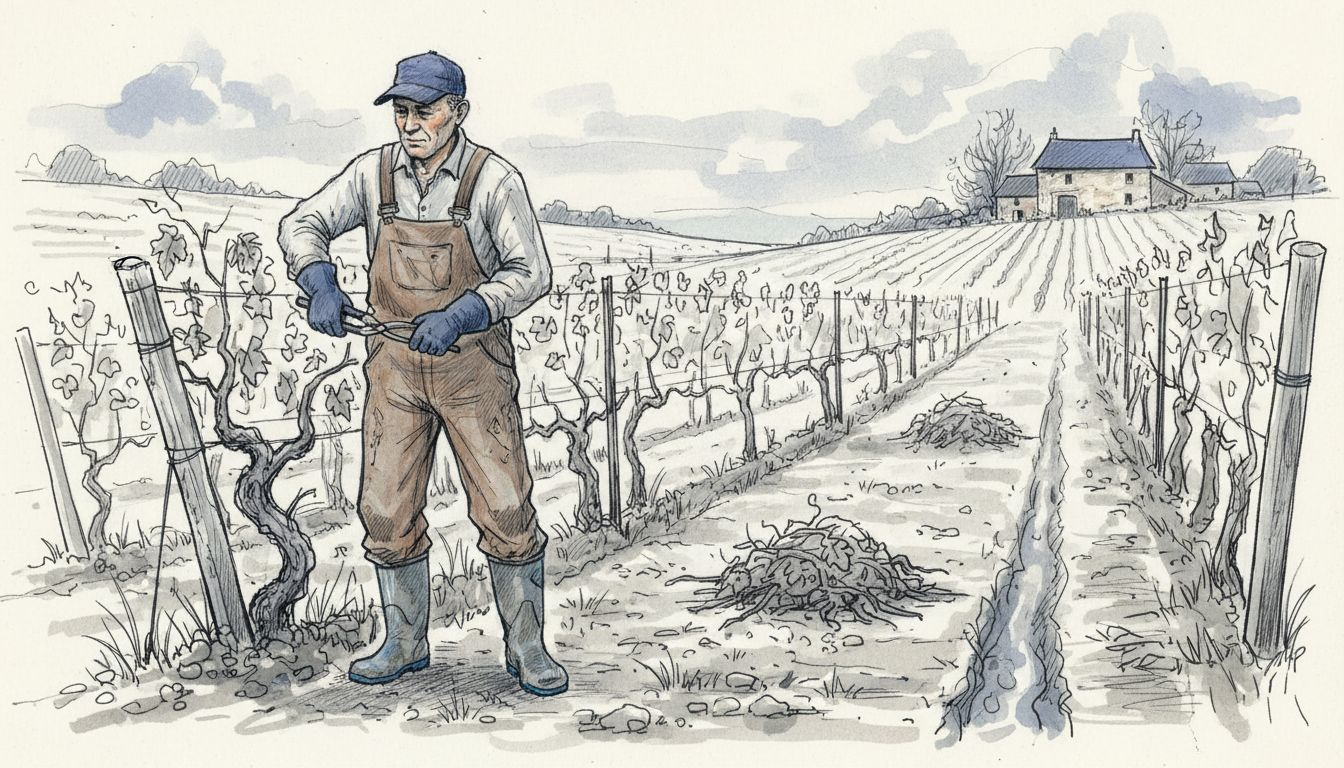
Champagne towers remain iconic interactive spectacles at upscale UK events, but modern planners face mounting pressure to integrate sustainability without sacrificing elegance. Champagne towers in luxury UK events now merge environmental responsibility with visual drama. Sustainable vineyards have reduced pesticide use by 30%, proving luxury and ecology can coexist beautifully. This guide shows you how to deliver stunning eco-friendly champagne towers that delight clients and protect the planet, with practical strategies for planning champagne towers for elegant events that meet 2026 sustainability standards.
Table of Contents
- Introduction To Eco-Friendly Champagne Towers
- Sustainable Champagne Sourcing And Production
- Modern Champagne Towers And Sustainability
- Balancing Elegance With Sustainability
- Common Misconceptions About Eco-Friendly Champagne Towers
- Practical Implementation And Costs
- Conclusion: Elevate Your Event With Eco-Friendly Elegance
- Discover Award-Winning Eco-Friendly Champagne Tower Hire In The UK
- Frequently Asked Questions
Key Takeaways
| Point | Details |
|---|---|
| Sustainable champagne vineyards have reduced pesticide use by 30% through organic and biodynamic farming methods. | |
| Eco-friendly towers use reusable glassware, certified sustainable champagne, and local seasonal decor to reduce carbon footprint. | |
| UK planners can achieve cost-effective, stylish green displays that enhance brand reputation and client satisfaction. | |
| 20% of Champagne vineyards are sustainability certified, aiming for 100% by 2030 through carbon reduction initiatives. | |
| Professional eco-friendly champagne tower services maintain elegance while meeting environmental goals for weddings and corporate events. |
Introduction to Eco-Friendly Champagne Towers
Champagne towers are iconic interactive spectacles that create unforgettable moments at weddings, galas, and corporate functions. These cascading displays symbolize celebration and luxury, drawing guests into shared experiences. Yet as environmental awareness grows across the UK events industry, clients increasingly demand sustainability alongside sophistication.
Eco-friendly champagne towers represent the evolution of this classic centerpiece. They combine visual impact with responsible practices that reduce waste, support sustainable agriculture, and minimize carbon footprint. UK event planners now face the challenge of delivering memorable beverage displays that align with clients’ environmental values without compromising elegance.
Sustainability in champagne towers involves several key components:
- Sourcing champagne from vineyards with organic or biodynamic certifications
- Using reusable glassware instead of disposable alternatives
- Selecting local seasonal decor like flowers and organic fruit garnishes
- Implementing waste management protocols during setup and breakdown
- Choosing service providers trained in sustainable event practices
The following sections explore how planning champagne towers with sustainability principles creates better outcomes for clients, venues, and the environment. You’ll discover sourcing strategies, operational best practices, cost considerations, and ways to address common misconceptions. Customising champagne towers for eco-conscious events requires understanding both aesthetic and environmental priorities.
Sustainable Champagne Sourcing and Production
The foundation of eco-friendly champagne towers starts in the vineyards of the Champagne region. Champagne vineyards have reduced pesticide use by 30% through organic and biodynamic methods that prioritize soil health and biodiversity. These farming practices eliminate synthetic chemicals, instead relying on natural pest control and crop rotation.
Organic certification requires vineyards to avoid synthetic pesticides and fertilizers for at least three years. Biodynamic standards go further, treating the vineyard as a self-sustaining ecosystem with lunar planting cycles and natural preparations. Organic and biodynamic certifications improve soil health while producing refined wine quality that meets luxury standards.
Current certification progress shows momentum toward industry-wide sustainability. 20% of Champagne vineyards are sustainability certified, aiming for 100% by 2030, focusing on carbon footprint reduction and biodiversity protection. This ambitious timeline reflects both consumer demand and regulatory pressure across European wine regions.
Carbon footprint reduction extends beyond vineyard practices to production and packaging:
- Lighter glass bottles that reduce transportation emissions
- Renewable energy installations at production facilities
- Water conservation systems that recycle processing water
- Local sourcing of secondary materials like corks and labels
Waste management represents another sustainability pillar. Champagne houses recycle 90% of waste and reuse all by-products, working to reduce carbon footprint by 25% soon and 75% by 2050. Grape pomace becomes compost or livestock feed, while sediment from bottle riddling returns to vineyards as natural fertilizer.
For event planners, these production advances translate into champagne choices that support environmental goals without sacrificing quality. Luxury champagne brands with sustainable sourcing now offer transparent certification information, making vendor selection straightforward. The taste profile of sustainably produced champagne often surpasses conventional alternatives because healthy soil produces more complex flavors.
Pro Tip: Request sustainability certificates from your champagne supplier before finalizing orders. Verification documents confirm organic or biodynamic status and help you communicate authentic environmental credentials to clients.
Modern Champagne Towers and Sustainability
Implementing eco-friendly practices in champagne tower setups requires attention to materials, staffing, decor, and waste management. Reusable glassware forms the cornerstone of sustainable tower displays. Professional-grade coupe glasses withstand repeated use, eliminating the waste generated by disposable alternatives. Trained staff handle washing and transport protocols that maintain hygiene standards while extending glassware lifespan.
Local seasonal flowers and organic fruit garnishes enhance visual appeal while reducing transportation emissions. Summer towers might feature British roses and strawberries, while autumn events showcase dahlias and blackberries. This approach supports regional growers and creates distinctive seasonal aesthetics that clients appreciate.
Operational priorities shift toward efficiency and waste minimization:
- Pre-event setup checklists that prevent over-ordering champagne and materials
- Designated recycling stations for bottles and packaging during breakdown
- Coordination with venues on composting organic decor elements
- Digital planning tools that reduce paper waste in coordination
UK luxury event design has evolved significantly since 2025. UK weddings in 2025 emphasize green-certified venues, local organic catering, and eco-conscious decor, reflecting broader cultural priorities around sustainability. Champagne towers that incorporate these principles feel current and thoughtful rather than extravagant or wasteful.
Setting up champagne towers sustainably involves technical expertise combined with environmental awareness. Staff training covers proper glassware handling to prevent breakage, efficient pouring techniques that minimize spillage, and breakdown procedures that facilitate recycling. These skills ensure smooth execution while honoring sustainability commitments.
Eco-friendly beverage display styling demonstrates that environmental responsibility enhances rather than limits creative possibilities. Natural materials like wood risers, linen tablecloths, and botanical arrangements create sophisticated tablescapes that complement sustainable champagne selections. The visual narrative tells a story of thoughtful luxury that resonates with modern clients.

Pro Tip: Coordinate with your champagne tower supplier and venue on reuse and recycling standards before the event. Confirm who handles glass return, bottle recycling, and organic waste disposal to avoid last-minute confusion and maximize sustainability impact.
Balancing Elegance with Sustainability
Event planners often worry that sustainable practices might compromise the luxurious aesthetic clients expect from champagne towers. Modern approaches prove this concern unfounded. The following comparison illustrates how eco-friendly alternatives match or exceed traditional standards:
| Criteria | Traditional Champagne Tower | Eco-Friendly Champagne Tower |
|---|---|---|
| Glassware | Single-use or mixed rental stock | Premium reusable coupes with professional cleaning |
| Champagne Sourcing | Conventional production | Certified organic or biodynamic vineyards |
| Decor Elements | Imported flowers, plastic accents | Local seasonal botanicals, natural materials |
| Waste Management | Minimal recycling, disposable items | Comprehensive recycling, compostable organics |
| Setup Efficiency | Standard protocols | Trained staff with sustainability expertise |
Local seasonal decor options provide visual richness while reducing environmental impact. Spring events feature tulips, daffodils, and cherry blossoms sourced from nearby growers. Summer celebrations incorporate peonies, garden roses, and lavender that peak during warm months. Autumn displays showcase dahlias, chrysanthemums, and seasonal foliage in rich burgundy and gold tones. Winter towers gain elegance from evergreen branches, holly berries, and white roses that withstand cooler temperatures.
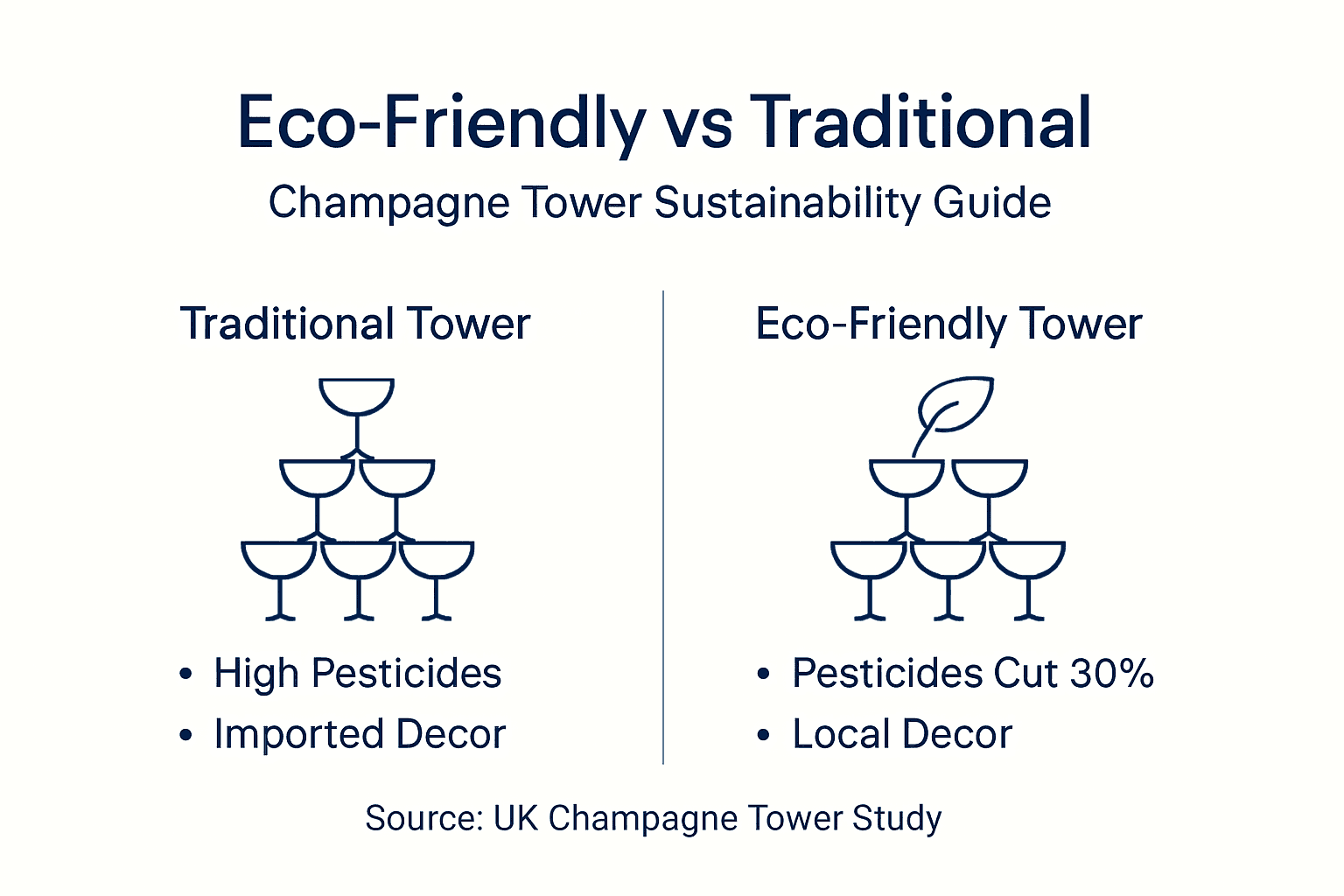
These natural elements create sophisticated atmospheres that photographs beautifully. The authenticity of seasonal choices resonates more deeply than generic arrangements available year-round through energy-intensive greenhouse production.
Benefits extend beyond environmental metrics:
- Client storytelling opportunities through customized sustainable designs that reflect personal values
- Positive brand alignment for corporate events seeking to demonstrate environmental leadership
- Seamless integration of elegance and responsibility that satisfies diverse stakeholder expectations
Best practices for maintaining elegance while implementing sustainable solutions include selecting custom sustainable champagne tower designs that highlight rather than hide eco-friendly elements. Transparency about sustainable choices becomes part of the event narrative rather than a compromise. Professional lighting enhances natural decor elements, creating drama equal to any traditional setup.
The outdated perception that sustainability conflicts with luxury stems from early green initiatives that prioritized function over form. Current sustainable event design embraces both equally, delivering experiences that satisfy aesthetic and environmental standards simultaneously.
Common Misconceptions About Eco-Friendly Champagne Towers
Several myths prevent wider adoption of sustainable champagne towers among UK event planners. Understanding the reality behind these misconceptions helps you make informed decisions and educate clients effectively.
Common misconceptions include:
- Eco-friendly towers generate excessive waste despite sustainability claims
- Sustainable materials and practices compromise visual elegance
- Green champagne towers cost prohibitively more than traditional options
- Limited supplier availability makes eco-friendly towers impractical for most events
- Sustainability certifications lack meaningful standards or verification
The reality contradicts each concern. Reuse protocols minimize waste through professional glassware management and comprehensive recycling programs. Many sustainable towers actually produce less waste than conventional setups because they eliminate disposable elements from the start. Venue partnerships ensure organic decor components get composted rather than landfilled.
Eco-friendly decor enhances rather than detracts from elegance. Local seasonal flowers often appear fresher and more vibrant than imported alternatives that spend days in cold storage. Natural materials like wood, linen, and botanical elements create sophisticated tablescapes that photograph beautifully. Professional styling expertise ensures sustainable choices elevate rather than limit aesthetic possibilities.
Cost concerns deserve careful examination. While certified sustainable champagne may carry slightly higher base prices, efficiencies in glassware reuse and local sourcing often offset these increases. Reputational benefits and client satisfaction add value beyond direct financial comparison. Many planners find sustainable towers competitively priced when total cost of ownership accounts for waste disposal savings and supplier efficiency.
Pro Tip: Educate clients early in planning eco-friendly champagne towers about sustainability features and their benefits. Proactive communication prevents decision-stage surprises and builds trust around environmental commitments.
Certification standards from organizations like Ecocert, Demeter, and regional sustainability programs provide rigorous verification of environmental claims. These third-party audits ensure champagne producers meet specific criteria for organic farming, carbon reduction, and biodiversity protection. Professional champagne tower services maintain relationships with certified suppliers and provide documentation confirming sustainability credentials.
Green champagne towers represent practical, viable options for events of all sizes and budgets. The UK market now includes specialized providers who understand both luxury event standards and environmental best practices. This expertise makes implementation straightforward rather than complicated.
Practical Implementation and Costs
Successfully executing eco-friendly champagne towers requires strategic planning around supplier selection, budgeting, and venue coordination. Understanding cost factors helps you allocate resources effectively while meeting sustainability goals.
Reusable glassware reduces both waste and long-term rental costs. Initial investment in quality coupes pays dividends through repeated use across multiple events. Professional cleaning services maintain hygiene standards while extending glass lifespan significantly beyond disposable alternatives. Trained staff improve efficiency during setup and breakdown, reducing labor costs and preventing breakage that creates additional expense.
Implementation follows these key steps:
- Assess your event’s specific sustainability goals and client expectations around environmental responsibility
- Source certified sustainable or organic champagne from verified suppliers with transparent production practices
- Hire eco-friendly champagne tower service providers who specialize in reusable glassware and sustainable setup protocols
- Select venues with existing sustainability credentials like waste sorting facilities and local supplier relationships
- Integrate local seasonal decor by partnering with regional growers who can supply flowers and organic garnishes
- Coordinate waste management logistics with venue staff to ensure proper recycling and composting of event materials
UK providers specializing in eco-friendly champagne towers have expanded significantly since 2025. Leading UK sustainable wedding trends include green-certified venues and local organic catering, supporting eco champagne tower integration across the events industry. Look for suppliers who display sustainability certifications prominently and provide detailed information about their environmental practices.
Budget balancing strategies include:
- Comparing total cost of ownership rather than only base prices when evaluating sustainable versus conventional options
- Negotiating package rates with suppliers who provide both champagne and tower services together
- Leveraging local sourcing for decor elements to reduce transportation costs and support regional businesses
- Coordinating closely with venues on waste management to avoid duplicate charges or inefficient handling
Early venue coordination proves essential for logistics success. Confirm delivery access, setup space requirements, electrical needs for lighting, and breakdown timing well before the event date. Venues with established sustainability programs often provide infrastructure like recycling stations and composting facilities that simplify implementation.
Champagne towers in UK luxury events now routinely incorporate eco-friendly practices without compromising service quality or visual impact. The key lies in selecting experienced providers who understand both luxury event standards and environmental best practices. Their expertise streamlines planning and ensures flawless execution.
Cost transparency helps clients understand value beyond price alone. Detailed quotes that break down sustainable champagne sourcing, reusable glassware rental, professional staffing, local decor elements, and waste management create clear comparisons. Many clients willingly invest slightly more when they understand the environmental and reputational benefits their event will deliver.
Planning champagne towers for UK events with sustainability at the core requires coordination across multiple vendors and clear communication with clients. Start conversations early, set realistic expectations, and showcase examples of successful eco-friendly towers to build confidence in your approach.
Conclusion: Elevate Your Event with Eco-Friendly Elegance
Eco-friendly champagne towers transform sustainability from constraint into competitive advantage for UK event planners. They enhance brand appeal by demonstrating environmental leadership while delivering the visual drama clients expect from luxury celebrations. The environmental and aesthetic benefits coexist seamlessly in modern sustainable tower designs.
Certified organic and biodynamic champagne, reusable glassware, local seasonal decor, and comprehensive waste management combine to create memorable displays that honor both elegance and responsibility. These practices reflect evolving client values and position your planning services at the forefront of industry innovation.
Integrating green innovations in beverage displays creates talking points that extend beyond the event itself. Clients share their sustainable choices through social media and word of mouth, amplifying your reputation as a forward-thinking planner who balances beauty with conscience.
Next steps involve exploring certified sustainable champagne suppliers, connecting with eco-friendly tower service providers, and customizing designs that align with your clients’ specific environmental goals. The UK events industry in 2026 rewards planners who deliver sophisticated sustainability rather than treating it as an afterthought.
Discover Award-Winning Eco-Friendly Champagne Tower Hire in the UK
Ready to deliver stunning sustainable champagne displays that delight clients and protect the planet? Champagne Tower Hire UK specializes in award-winning luxury towers built on eco-friendly principles. We combine certified sustainable champagne sourcing, premium reusable glassware, and expert styling with local seasonal elements.
Our bespoke champagne displays for events align elegance with environmental responsibility through customized designs that reflect your clients’ values. Explore our portfolio of champagne tower examples for events to see how sustainability enhances rather than limits creative possibilities. Contact us today to elevate your next wedding, gala, or corporate celebration with eco-friendly champagne towers that create unforgettable moments.
Frequently Asked Questions
What makes champagne towers eco-friendly?
Eco-friendly champagne towers use certified sustainable or organic champagne from vineyards practicing pesticide reduction and carbon footprint minimization. Reusable premium glassware eliminates disposable waste while maintaining luxury standards. Local seasonal flowers and organic fruit garnishes reduce transportation emissions and support regional growers. Trained staff implement comprehensive waste management protocols including recycling and composting. Venue partnerships ensure sustainable setup and breakdown procedures align with environmental goals throughout the event lifecycle.
Are eco-friendly champagne towers more expensive than traditional ones?
Eco-friendly towers balance initial costs with long-term efficiencies that make them competitive with traditional options. Reusable glassware reduces per-event rental costs over time compared to disposable alternatives. Local sourcing of seasonal decor often costs less than imported flowers requiring refrigerated transport. Waste management savings from recycling and composting offset sustainability investments. Reputational benefits and client satisfaction add value beyond direct price comparison, making sustainable towers a smart investment for forward-thinking planners.
How can I ensure my champagne tower aligns with sustainability goals?
Choose champagne from producers with verified organic, biodynamic, or regional sustainability certifications displayed transparently. Select suppliers offering reusable glassware with professional cleaning protocols rather than mixed rental stock. Incorporate local seasonal flowers and organic garnishes sourced from nearby growers to minimize transportation impact. Confirm your venue provides green credentials like waste sorting facilities and renewable energy use. Work with experienced eco-friendly tower specialists who understand both luxury standards and environmental best practices.
Do eco-friendly champagne towers compromise on visual impact or elegance?
Sustainable champagne towers employ professional styling with local seasonal flowers and custom design elements that maintain high elegance standards. Natural materials like wood risers, linen tablecloths, and botanical arrangements create sophisticated atmospheres that photograph beautifully. Premium reusable glassware often surpasses mixed rental stock in consistency and appearance. Eco-friendly does not mean less spectacular. Modern sustainable event design embraces both aesthetics and environmental responsibility equally, delivering experiences that satisfy the most discerning clients while honoring conservation commitments.