

Nearly 80 percent of luxury British events now feature sparkling wine as a statement of style and sophistication. For event planners and wedding coordinators, mastering champagne pouring goes beyond simple service. It sets the tone for an unforgettable experience, impressing discerning guests and enhancing a celebration’s prestige. Discover essential techniques that transform everyday pouring into an elegant ritual worthy of the most exclusive British weddings and corporate occasions.
Table of Contents
- Step 1: Prepare Glassware and Champagne for Pouring
- Step 2: Chill and Present Bottles with Sophistication
- Step 3: Angle Glasses and Begin Slow, Steady Pour
- Step 4: Control Flow and Prevent Overflow or Excess Foam
- Step 5: Evaluate Presentation and Tidy Serving Area
Quick Summary
| Key Takeaway | Explanation |
|---|---|
| 1. Use appropriate glassware | Select tulip-shaped champagne glasses for optimum aroma and bubble retention. This enhances the champagne experience significantly. |
| 2. Chill champagne properly | Chill champagne bottles to 6-10 degrees Celsius in a mixture of ice and water to maintain flavour and effervescence during service. |
| 3. Control the pouring technique | Pour champagne at a 45-degree angle to minimise foam, allowing aromas to enhance while preventing overflow and preserving elegance. |
| 4. Maintain a tidy serving area | Ensure no fingerprints or water spots on glasses, and arrange them symmetrically to create a visually appealing presentation. |
| 5. Practice pouring in advance | Develop confidence by practicing before the event, allowing for smooth, effortless serving that impresses guests. |
Step 1: Prepare Glassware and Champagne for Pouring
Crafting the perfect champagne experience begins with precise preparation of both your glassware and sparkling wine. Selecting the right glasses and ensuring they are properly chilled sets the foundation for an elegant serving technique. When preparing for your event, focus on selecting tulip-shaped champagne glasses that enhance the wine’s aromatic profile and preserve delicate bubbles.
Start by thoroughly cleaning your champagne flutes to remove any residue or dust that might interfere with the drink’s pristine presentation. Rinse the glasses with warm water and dry them completely using a lint-free cloth to prevent water spots or streaks. For optimal temperature, chill your glasses in the refrigerator for approximately 15 minutes before serving the champagne. This subtle cooling helps maintain the wine’s ideal serving temperature between 8 to 12 degrees Celsius.
Here’s how different champagne glass types influence your serving experience:
| Glass Type | Aroma Preservation | Bubble Retention | Visual Appeal |
|---|---|---|---|
| Tulip-shaped | Excellent for aromas | Preserves bubbles | Elegant, sophisticated |
| Flute | Moderate aromas | High retention | Classic presentation |
| Coupe | Poor for aromas | Bubbles dissipate | Vintage aesthetic |
Prepare your champagne bottles by removing them from cold storage about 15 minutes before serving. This brief resting period allows the wine to reach the perfect temperature without becoming too warm. Ensure the bottle is dry and free from condensation to maintain an elegant appearance during pouring.
Top Tip: Keep a set of dedicated champagne towels nearby to quickly address any condensation or drips, maintaining a polished presentation throughout your event.
Step 2: Chill and Present Bottles with Sophistication
Elevating your champagne presentation requires meticulous attention to temperature and aesthetic details. When preparing champagne for your event, understanding the precise chilling technique transforms an ordinary service into an extraordinary experience. Champagne etiquette recommends chilling your bottles to the ideal temperature range of 6 to 10 degrees Celsius for optimal flavour and effervescence.
Prepare an elegant ice bucket by filling it with a strategic mixture of water and ice cubes, ensuring even cooling without risking freezing the delicate wine. Select a clean bucket that complements your event’s aesthetic and position it prominently where guests can appreciate the sophisticated presentation. When arranging multiple bottles, avoid overcrowding to maintain proper circulation and consistent temperature. For larger events, consider using magnums which not only look impressive but also help maintain the wine’s temperature more effectively.
Presentation matters as much as temperature. Ensure each bottle is carefully wiped clean and dry, with the label positioned to face guests. This subtle detail demonstrates attention to detail and allows guests to appreciate the champagne’s provenance. Hold the bottle elegantly when serving, gripping it confidently at the base to prevent unnecessary warming from hand contact.
Top Tip: Keep a pristine white serving towel draped over your forearm to catch any potential drips and maintain an impeccably professional appearance during champagne service.
Step 3: Angle Glasses and Begin Slow, Steady Pour
Mastering the art of champagne pouring transforms an ordinary drink into an extraordinary experience. The technique requires precision, grace, and understanding of how subtle movements can dramatically impact your guests’ enjoyment. Professional pouring techniques involve holding the champagne glass at a precise 45-degree angle to minimise excessive foam and preserve the wine’s delicate bubbles.
Begin by positioning your champagne flute at a careful angle, allowing the sparkling wine to gently cascade down the interior glass wall. This method creates a smooth, elegant flow that prevents aggressive turbulence and maintains the champagne’s sophisticated character. Pour slowly during the first inch, watching as the initial foam develops. Pause briefly to allow the bubbles to settle, then continue filling the glass to approximately halfway. This technique ensures maximum aroma release while preventing unsightly overflow and maintaining the drink’s visual appeal.
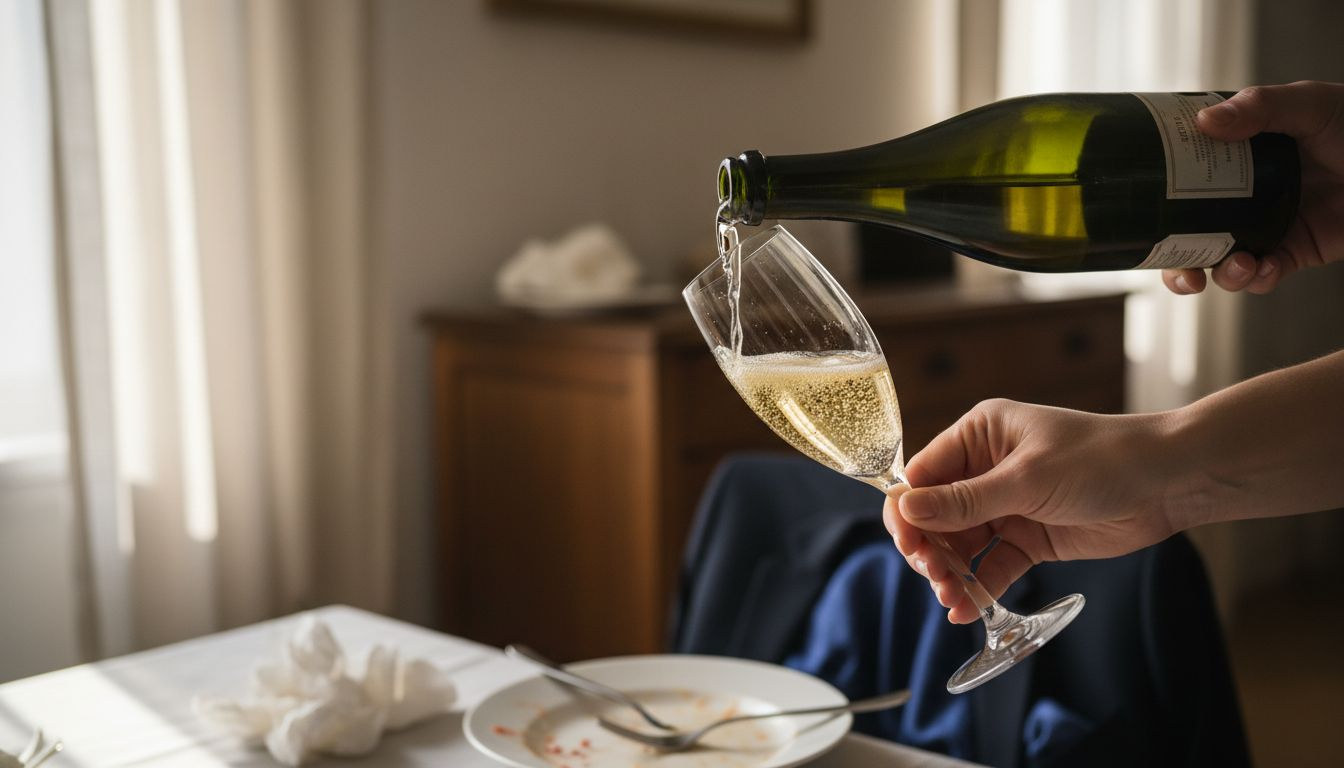
Practice your pouring technique to develop a consistent, smooth motion. Hold the bottle confidently at its base, using a steady hand to control the pour’s speed and angle. Your goal is to create a seamless, almost theatrical presentation that looks effortless yet demonstrates remarkable skill and attention to detail.
Top Tip: Practice your champagne pouring technique over a sink before your event to develop muscle memory and confidence in your movements.
Step 4: Control Flow and Prevent Overflow or Excess Foam
Elevating your champagne service requires mastering the delicate art of controlling liquid flow with precision and grace. Understanding how to manage the pour is essential for creating an elegant presentation that impresses your guests. Champagne pouring techniques demand a strategic approach to minimise foam and maintain the drink’s sophisticated character.

The key to preventing overflow lies in understanding the physics of sparkling wine. As you pour, maintain a deliberate and slow motion along the glass interior, allowing the champagne to glide smoothly without creating excessive turbulence. Watch the glass carefully and pause when it reaches approximately half full or at its widest point. This momentary pause allows initial foam to settle, preventing unsightly spillage and ensuring a pristine presentation. The gentle technique requires a steady hand and keen observation.
Maintain consistent control by holding the bottle at a slight angle and controlling the pour’s speed. Your goal is to create a seamless stream that cascades elegantly down the glass wall, minimising aggressive bubbling. Adjust your technique based on the champagne’s temperature and carbonation level the cooler the bottle, the more controlled your pour will need to be.
Top Tip: Keep a clean cloth nearby to quickly address any unexpected drips or foam that might compromise your immaculate presentation.
Step 5: Evaluate Presentation and Tidy Serving Area
The final stage of champagne service transforms your technical skills into an art form of refined presentation. Your goal is to create a flawless visual experience that reflects professional elegance and meticulous attention to detail. Every element of your serving area should communicate sophistication and thoughtful preparation.
Begin by conducting a comprehensive visual assessment of your champagne display. Check each glass for perfect clarity and ensure no water spots or fingerprints compromise the pristine appearance. Examine the placement of glasses on your serving tray or table to confirm they are symmetrically arranged and positioned with precision. Wipe down any surfaces immediately to remove potential drips or condensation that might detract from the overall aesthetic.
Review the entire serving area with a critical eye. Remove any unnecessary items that could distract from the champagne presentation. Ensure cloth napkins are neatly folded, champagne bottles are positioned attractively, and the entire setup looks intentional and curated. Your final moments of preparation are about creating an immaculate environment that elevates the entire drinking experience.
The following summary highlights common champagne serving mistakes and how to avoid them:
| Mistake | Impact on Experience | How to Avoid |
|---|---|---|
| Overfilling the glass | Spillage, excess foam | Pour slowly, fill halfway |
| Using warm glasses | Flat bubbles, muted aromas | Pre-chill glasses in refrigerator |
| Touching the bottle neck | Warms champagne, looks unprofessional | Hold at the base for poise |
| Neglecting presentation | Diminished elegance | Arrange glasses and cloths neatly |
Top Tip: Keep a pristine white serving cloth within reach to quickly address any unexpected spills or marks and maintain an impeccable presentation.
Elevate Your Champagne Pouring with Stunning Tower Displays
Mastering champagne pouring techniques like angling glasses, controlling foam, and maintaining elegant presentation addresses the challenge of delivering an unforgettable experience at any event. Yet even the best pour benefits from a breathtaking visual centrepiece that captivates guests and enhances sophistication. That is where professional champagne tower hire transforms your event effortlessly. By combining expert serving practices with a custom-built champagne tower from Uncategorized Archives – Champagne Tower Hire, you ensure flawless flow, show-stopping presentation, and ease throughout your celebration.
Don’t let your perfectly chilled, meticulously poured champagne go unnoticed. Visit https://champagnetowerhire.co.uk now to explore bespoke champagne tower options tailored for weddings, corporate functions, or private parties. Secure your luxury display with full staff support and optional enhancements today to impress your guests and master every moment of pouring with confidence.
Frequently Asked Questions
What is the best way to prepare champagne glasses for serving?
To prepare champagne glasses effectively, start by thoroughly cleaning them with warm water and drying them with a lint-free cloth. Chill the glasses in the refrigerator for about 15 minutes before serving to ensure they maintain the ideal temperature during pouring.
How should I chill champagne bottles for an event?
Chilling champagne bottles requires a mixture of ice and water in a bucket to achieve the best temperature quickly. Aim for a chilling period of about 20 to 30 minutes until the bottles reach the ideal serving temperature of 6 to 10 degrees Celsius without risking them becoming too cold or frozen.
What is the proper technique for pouring champagne?
The proper technique for pouring champagne involves holding the glass at a 45-degree angle and pouring slowly down the inside of the glass. Begin with a gentle pour until the glass is about halfway full, then pause to allow the foam to settle before topping it up, ensuring minimal overflow and maximum aroma release.
How can I prevent excessive foam when pouring champagne?
To prevent excessive foam, maintain a steady and slow pour along the inside of the glass to minimise turbulence. Pouring gently while monitoring the glass helps control the flow, allowing the champagne to cascade smoothly without creating unwanted bubbles.
What final checks should I make before serving champagne?
Before serving champagne, conduct a visual assessment of your serving area, ensuring all glasses are clear and well-arranged. Tidy up any spills or drips, and confirm that napkins are neatly presented, creating a polished and elegant environment for your guests.
How can I enhance the overall presentation of champagne at my event?
Enhancing the overall presentation of champagne involves several details, such as ensuring the bottle labels face guests while remaining clean and dry. Additionally, using elegant napkins and proper glass arrangement can significantly elevate the aesthetic, making your service appear intentional and sophisticated.
Recommended
- How to Serve Champagne Professionally for Luxury Events
- How to Serve Champagne at Events with Perfect Elegance – Champagne Tower Hire
- Master Private Party Champagne Planning for Stunning Events
- Why Use Luxury Champagne Brands for Events
- Quoi Filmer Pour Un Événement d’Entreprise : Guide Complet
- Geschenkidee Freundin 40. Geburtstag – Weinbecher mit Einhornmotiv – Herzensprojekt Manufaktur


